What is “tree lopping”, and is it the same as pruning?
Tree lopping usually refers to heavy cutting back of branches or the tree’s canopy, often to reduce size quickly. Pruning is more selective and aims to improve structure, health, and safety. In practice, many people use “lopping” as a catch-all term, but reputable providers will discuss the goal first and recommend the right type of cut.
Why do they start with a site inspection and quote?
They inspect the tree and surrounding area to plan the safest, most effective approach. This is typically part of a tree lopping service Sydney visit, where crews assess height, lean, decay, branch weight, access, and nearby hazards like roofs, fences, powerlines, and neighbours’ property. They then quote based on complexity, equipment required, disposal needs, and timeframe. For a better understanding of professional tree removal processes and how inspections support safe outcomes, Learn more.
How do they check safety risks before any cutting?
They run a risk assessment to prevent injuries and damage. This can include identifying unstable limbs, dead wood, hidden cavities, termite damage, or root plate issues. They also plan drop zones, emergency access, and traffic or pedestrian controls if the work is near a driveway, footpath, or road.
Do they need council approval in Sydney?
Sometimes they do, and this is a key question to raise early. Requirements depend on the local council area, the tree’s species, size, location, and whether it is protected. Some trees may be exempt, while others need permits before any major work. A careful service will advise on approvals and avoid pushing clients into risky, non-compliant work.
What preparation happens on the day of the job?
They set up the worksite before the first cut. This often includes cones or barriers, signage, rope lines, and protective mats where equipment will travel. They also confirm where debris will be staged, how lorries and chippers will access the area, and which parts of the garden need protection.
How do they decide between climbing, elevated platforms, or crane work?
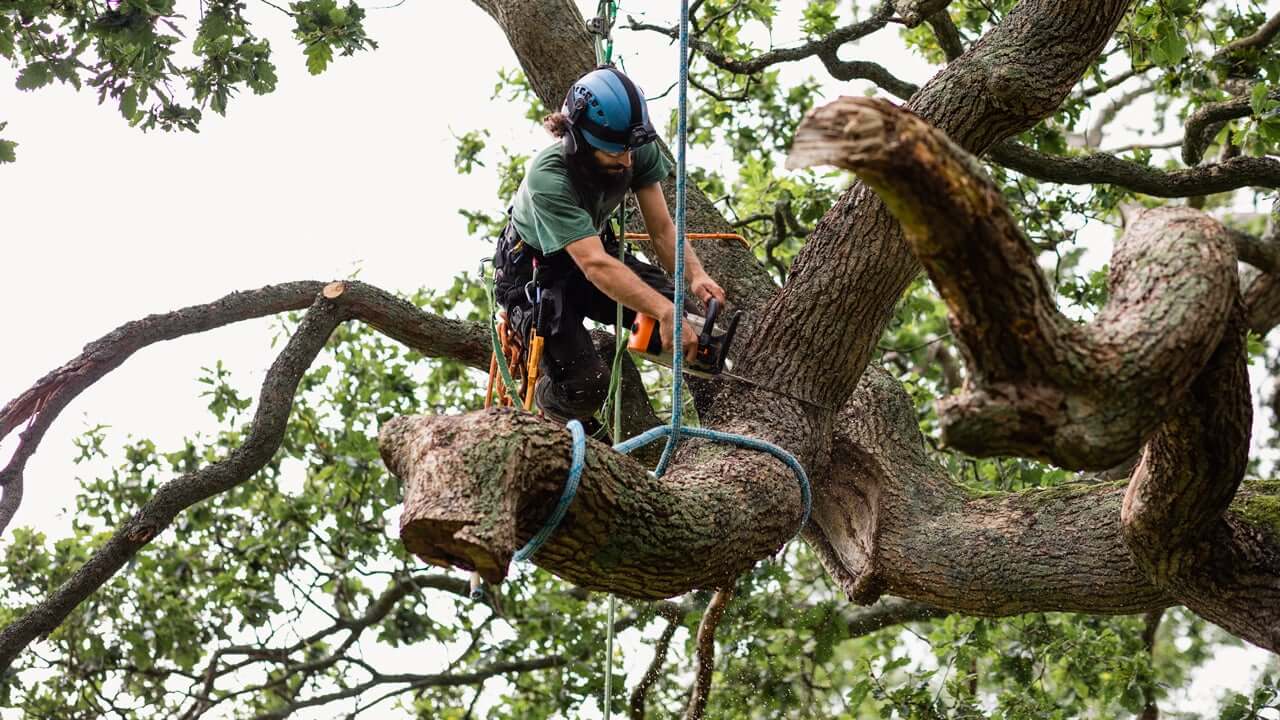
They choose the method that best balances safety, access, and cost. If the tree is accessible and structurally sound, a climber may use ropes and harnesses to dismantle it in sections. If access is tight or the tree is unsafe to climb, an elevated work platform may be used. For complex removals over buildings, cranes can lift large sections away.
What actually happens during the cutting process?
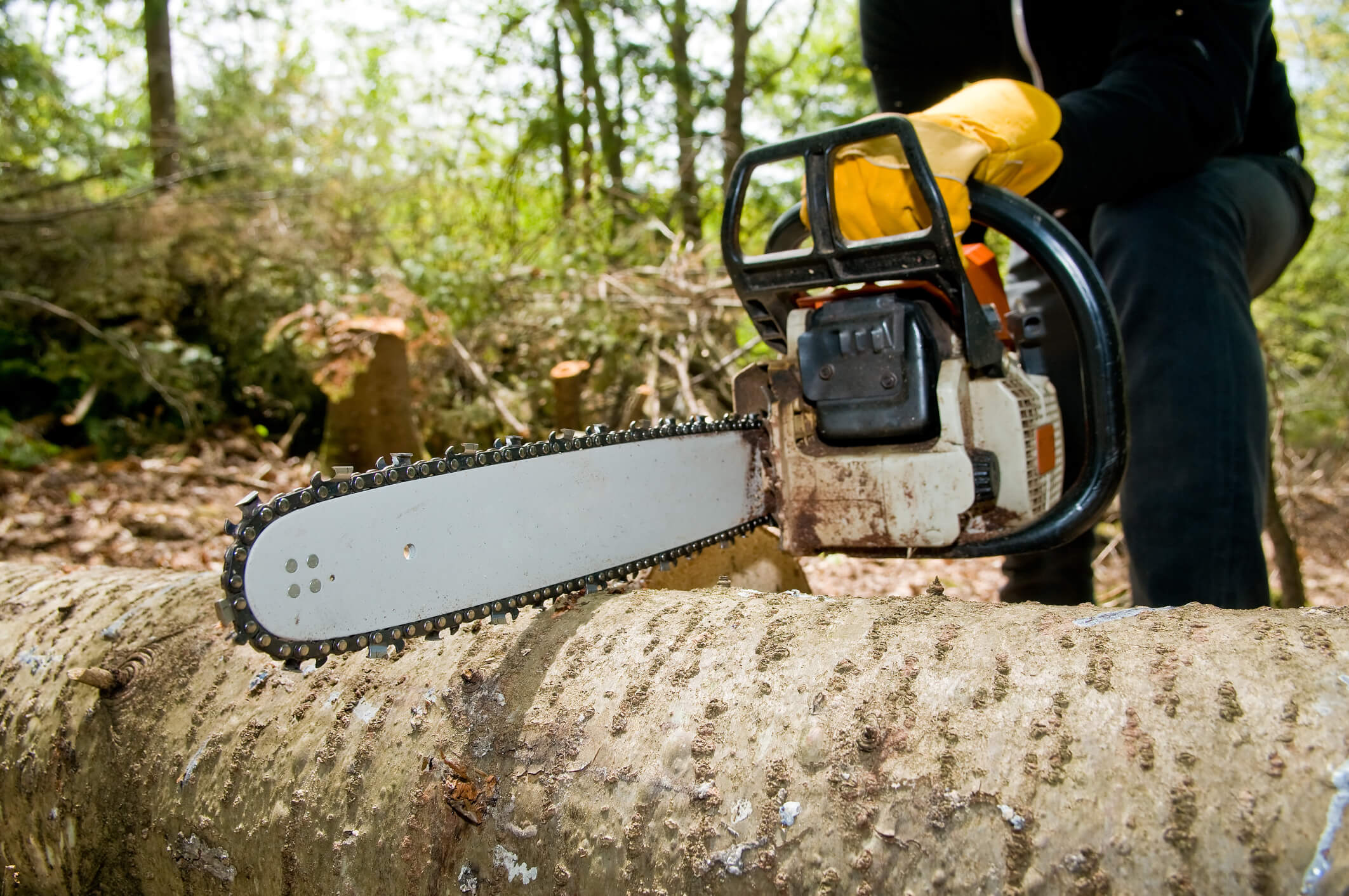
They usually remove the tree in controlled sections rather than dropping it whole. Branches are cut and lowered with ropes to avoid damage, especially near roofs, sheds, glass, and landscaping. If the job is canopy reduction, they shape and reduce the crown in stages. If it is removal, they work from the outside in, then down the main trunk.
How do they protect roofs, fences, and nearby structures?
They rely on rigging techniques to control how each piece moves. Ropes, pulleys, friction devices, and lowering slings let them guide sections down slowly and away from vulnerable areas. Where there is no safe drop zone, they may hand-lower branches or use a crane lift. This is one of the main differences between professional work and risky shortcut cutting.
What happens to the branches and green waste?
They process debris as they go to keep the site manageable. Smaller branches are commonly fed into a wood chipper and loaded into a lorry. Larger timber may be cut into manageable rounds for removal. Some clients request mulch to be left onsite, but they should confirm this in advance, as not all chips suit every garden.
What is stump grinding, and is it part of lopping?
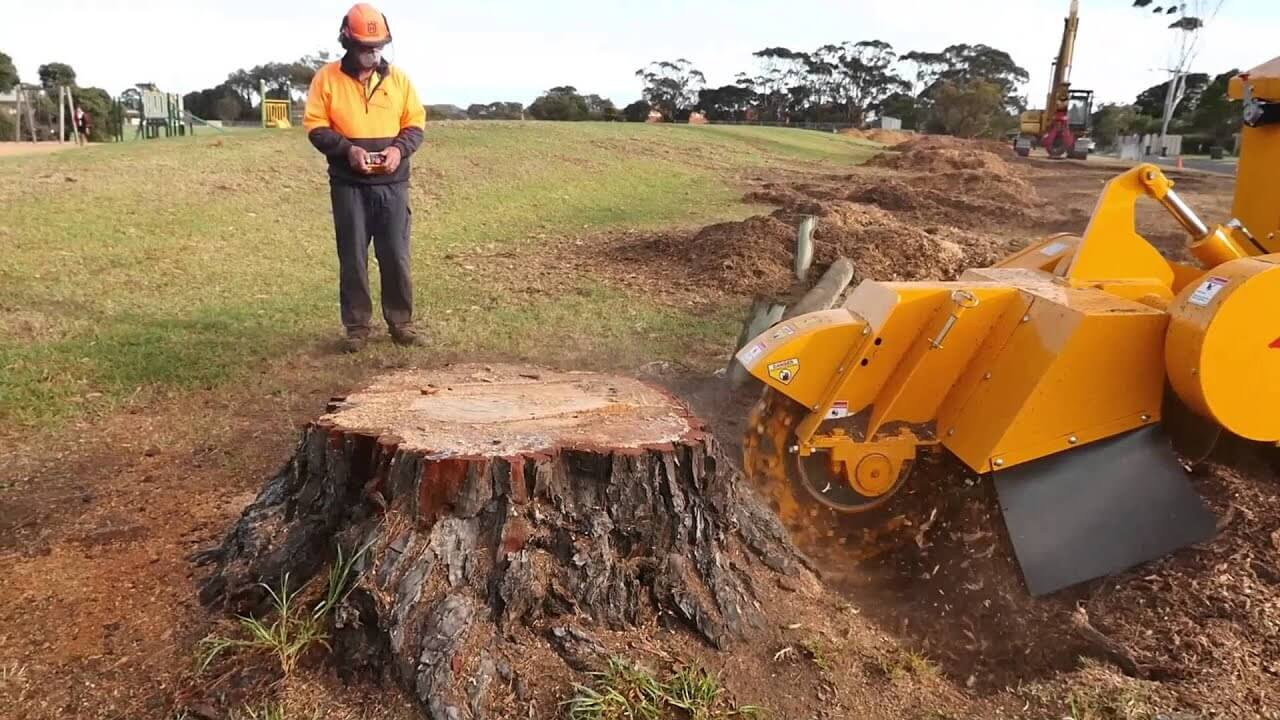
Stump grinding is a separate step that removes the stump below ground level. After a tree is cut down, the remaining stump can be an obstacle, a trip hazard, and a regrowth point for some species. Grinding turns it into woodchips and allows the area to be levelled for turf, paving, or replanting. They will usually quote it as an optional add-on.
How do they handle powerlines and other high-risk areas?
They take extra precautions and may refuse the job if it is not legally or practically safe. Work near powerlines often requires specific clearances, techniques, and in some cases coordination with the electricity network. A reputable service will not “chance it” with ladders and long poles. If powerlines are involved, clients should expect stricter controls and sometimes higher costs. You may like to visit https://rhtreeservice.com/tree-services-sydney-stump-grinding-cleanup/ to learn more about whether tree services in Sydney include stump grinding and cleanup.
What clean-up and final checks should clients expect?
They should leave the site safe, cleared, and as close to pre-job condition as possible. This usually includes raking, blowing paths, removing logs and debris, and checking for stray branches in garden beds and gutters. They will also confirm any agreed outcomes, such as leaving firewood, levelling the stump grindings, or removing all waste from site.
What questions should they ask before booking?
They should ask what outcome the service recommends, what approvals may apply, what is included in the quote, and how waste is handled. It also helps to confirm insurance, who will be onsite, the estimated duration, and whether stump grinding is included. Clear answers upfront usually lead to a smoother job, fewer surprises, and a safer result.
FAQs (Frequently Asked Questions)
What is the difference between tree lopping and pruning in Sydney?
Tree lopping refers to heavy cutting back of branches or the tree’s canopy, often to reduce size quickly, whereas pruning is more selective and aims to improve the tree’s structure, health, and safety. Professional services will discuss your goals first and recommend the appropriate type of cut.
Why is a site inspection and quote important before tree lopping?
A site inspection allows professionals to assess the tree’s height, lean, decay, branch weight, access points, and nearby hazards such as roofs, fences, powerlines, and neighbours’ property. This helps plan the safest approach and provides an accurate quote based on complexity, equipment needed, disposal requirements, and timeframe.
Do I need council approval for tree lopping in Sydney?
Council approval requirements vary depending on your local council area, the tree’s species, size, location, and whether it is protected. Some trees may be exempt while others require permits before major work. A reputable service will advise you on approvals to ensure compliance with local regulations.
How do professional arborists ensure safety during tree lopping near powerlines or high-risk areas?
They take extra precautions including specific clearances and techniques tailored for working near powerlines. In some cases, coordination with the electricity network is necessary. Professionals avoid risky shortcuts like using ladders or long poles near powerlines and may refuse jobs that are not legally or practically safe.
What happens to branches and green waste after tree lopping?
Debris is processed continuously to keep the site manageable. Smaller branches are fed into a wood chipper and loaded into a lorry while larger timber is cut into manageable rounds for removal. Some clients may request mulch to be left onsite; however, this should be confirmed in advance as not all wood chips suit every garden.
Is stump grinding included in tree lopping services?
Stump grinding is usually a separate optional service that removes the stump below ground level after a tree has been cut down. Grinding turns the stump into woodchips allowing for levelling of the area for turf, paving or replanting. Most providers will quote stump grinding as an add-on service.